
Licences & Permits
How to obtain customs clearance in Oman
Last reviewed 12 October 2026Free first consultation · reply within one business day
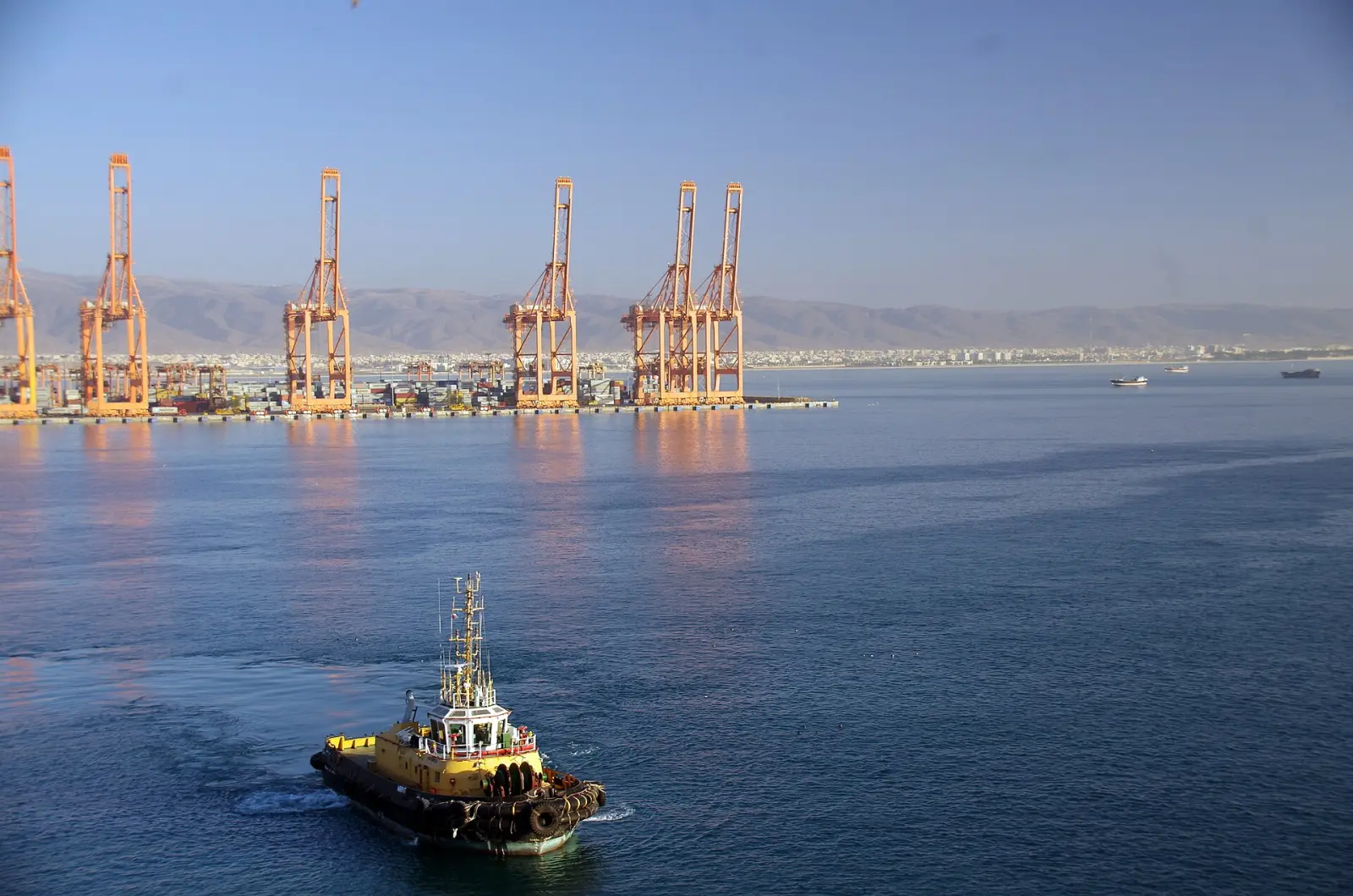
Every commercial shipment entering Oman, by sea, air or land, must be declared and cleared by the Directorate General of Customs, which is part of the Royal Oman Police. Clearance is electronic, but the paperwork and permits must be in order before goods arrive. Here is how the process works for a business importer.
Before your first shipment
- Register a company with import activities on its Commercial Registration. See the trading licence guide.
- Register as an importer with customs to obtain an importer code linked to your CR.
- Appoint a licensed customs broker, or obtain a broker licence if you will clear your own goods regularly.
- Check product approvals. Food, medicines, cosmetics, chemicals, telecom equipment, vehicles and other regulated goods may need registration or a permit from the relevant authority before import.
- Register for VAT if your turnover requires it, so you can recover import VAT. See VAT registration.
Documents you will need
| Document | Purpose |
|---|---|
| Commercial invoice | Value, description, quantities, terms of sale |
| Packing list | Contents and weights per package |
| Bill of lading or air waybill | Proof of shipment and consignee |
| Certificate of origin | Determines duty treatment, including GCC origin |
| Insurance certificate | Part of the CIF value |
| Permits or approvals | For restricted or regulated goods |
| Delivery order | Issued by the shipping line or agent to release the cargo |
The clearance process step by step
- Pre-arrival. Your broker prepares the declaration using the shipping documents.
- Electronic declaration. The declaration, with HS codes, values and origin, is submitted through the customs system.
- Risk assessment. The system routes the shipment to a green channel (document check only), or to documentary review or physical inspection.
- Payment. Customs duty, excise tax where applicable, and import VAT are paid electronically. See how to calculate import tax.
- Inspection. If selected, goods are examined, and samples may be referred to the relevant authority.
- Release. Customs issues the release, and the port or airport hands over the cargo once handling charges are paid.
Well-documented shipments of non-restricted goods are often released within one to three days of arrival. Inspections and permits for regulated goods take longer.
Common causes of delay
- Missing or inconsistent invoice values, descriptions or HS codes
- No certificate of origin when claiming GCC treatment
- Regulated goods arriving before the product approval is issued
- Labelling that doesn't meet Gulf standards, including Arabic labelling for food and consumer goods
- Unpaid storage or demurrage when documents are late
Clearing goods through free zones
Goods imported into a free zone such as Sohar or Salalah are generally exempt from duty while they remain in the zone. Moving them into mainland Oman later is treated as an import, with duty and VAT payable at that point.
Frequently asked questions
Can I clear goods myself in Oman?
Companies can clear their own goods if they hold the necessary customs registration. Most businesses use a licensed customs broker, especially at the start.
How long does customs clearance take in Oman?
Usually one to three days for documented, non-restricted goods, and longer when inspection or third-party approvals are needed.
Do I need an import licence in Oman?
You need a registered company with import activities, an importer registration with customs, and any product-specific approvals for regulated goods.
What happens if my goods are held by customs?
Customs will tell your broker what is missing, such as documents, permits or a valuation query. Storage charges can accrue, so resolve holds quickly.
Next steps
Related services and guides
- 01Trading LicenceGet a trading licence in Oman for general trading, import/export, wholesale or retail. Activities, customs registration, premises, foreign ownership and steps.
- 02Logistics LicenceLicense a logistics, freight forwarding, warehousing or transport company in Oman. MTCIT and customs approvals, free zone options, premises and steps.
- 03How to Get a Municipal License in OmanMunicipality License in Oman: requirements, documents, costs and step-by-step process for 2026, from MakeMyCompany's Muscat team.
- 04Commercial Registration in Oman 2026Get Commercial Registration in Oman with 2026 CR cost, documents, timeline, CR certificate download, CR number, foreign ownership and post-registration steps.
- 05Chamber of Commerce and Industry Membership Certificate in OmanGet the OCCI membership certificate in Oman: 2026 fees by company size, required documents, the online registration and renewal steps, and what happens if…
- 06Steps to Obtain a Spa and Wellness License in OmanGet your spa license in Oman fast! Complete guide on Ministry approvals, wellness center licensing, costs from OMR 500+ & complete setup process.
1.0
Planning a company in Oman?
Tell us your activity, shareholders and visa needs. We’ll recommend a structure and location, then send a written, itemised quote. The first consultation is free.