
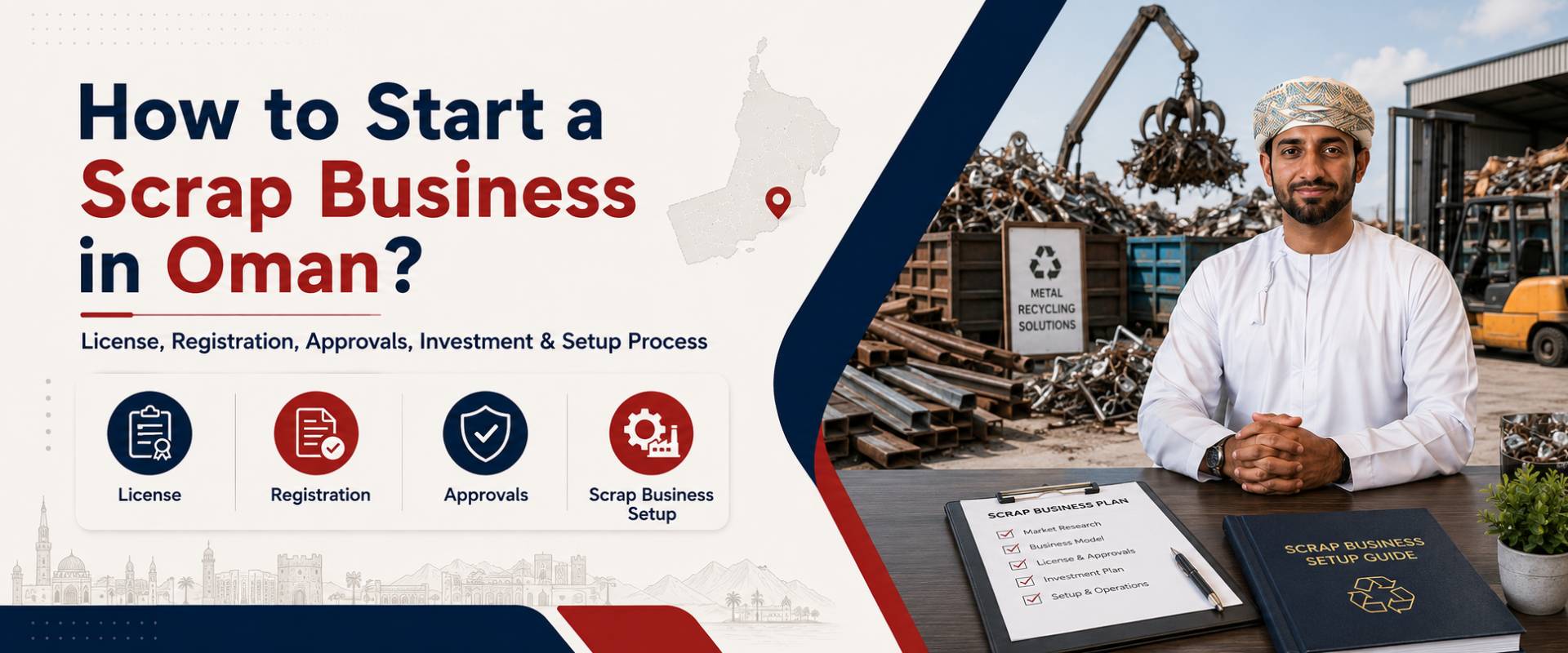

Oman’s strategic location and growing industrial sector make it an ideal market for businesses in the recycling and waste management industry. Establishing a scrap business in Oman is not only a profitable venture but also a sustainable way to contribute to environmental conservation. From metals and plastics to electronic waste, the demand for scrap materials continues to rise, offering immense opportunities for entrepreneurs. In this guide, we’ll walk you through everything you need to know about starting a scrap business in Oman, including licensing requirements, market opportunities, and operational strategies.
What is Scrap Business in Oman?
The scrap business in Oman refers to the collection, sorting, processing, and trading of recyclable materials such as metals, plastics, and electronic waste. It plays a vital role in reducing landfill waste, conserving natural resources, and contributing to a more sustainable economy. By facilitating the recycling of valuable materials, the scrap industry not only supports environmental conservation but also provides essential raw materials to local and international manufacturing industries.
In Oman, the scrap business primarily deals with the following types of materials:
- Ferrous Metals: Steel and iron scraps collected from construction sites, old machinery, and industrial waste.
- Non-Ferrous Metals: Materials like aluminum, copper, and brass sourced from electronic waste, plumbing systems, and discarded appliances.
- Plastics: Recyclable plastic materials such as polyethylene and polypropylene recovered from packaging waste, industrial byproducts, and consumer goods.
- E-Waste: Electronic waste including discarded computers, mobile phones, and electrical appliances, which are valuable for their metal content.
The scrap business in Oman benefits from the country’s advanced infrastructure and strategic location, making it an attractive industry for entrepreneurs. The sector supports both local recycling initiatives and international trade, allowing businesses to tap into diverse markets and meet the growing demand for sustainable raw materials.
Why Start a Scrap Business in Oman?
The recycling and scrap trading industry in Oman is growing steadily, driven by increased industrial activities and a global push toward sustainability. Here are some compelling reasons to consider starting a scrap business in Oman:
High Demand for Recyclable Materials
With Oman’s focus on sustainable development, there is a rising demand for recycled metals, plastics, and e-waste, making the scrap business in Oman a lucrative opportunity.
Strategic Location
Oman’s proximity to international markets in the Middle East, Asia, and Africa makes it an excellent base for exporting scrap materials, adding a competitive advantage for scrap traders.
Government Support for Recycling
The Omani government’s initiatives to promote recycling and waste management have created a favorable environment for businesses in the scrap industry.
Contribution to Sustainability
Running a scrap business in Oman allows you to actively participate in reducing waste, conserving resources, and minimizing environmental impact.
Steps to Start a Scrap Business in Oman
Starting a scrap business in Oman requires careful planning and adherence to legal and regulatory requirements. Below are the key steps to guide you through the process:
Step 1 – Conduct Market Research
Understanding the market is critical to the success of your scrap business. Research the following:
- The most in-demand scrap materials, such as metals, plastics, and electronics.
- Local and international buyers for scrap materials.
- Existing competition in Oman and how you can differentiate your services.
Step 2 – Develop a Business Plan
A well-thought-out business plan will act as your roadmap. It should include:
- Business objectives and goals.
- Target market and audience analysis.
- A list of scrap materials you will trade (e.g., ferrous metals, non-ferrous metals, e-waste).
- Pricing and revenue model.
- Marketing and operational strategies.
Step 3 – Obtain a Scrap Business License in Oman
A scrap business license in Oman is essential for operating legally and ensuring compliance with regulations. Here’s how to obtain one:
Business Registration
Register your business with the Ministry of Commerce, Industry, and Investment Promotion (MOCIIP). Choose an appropriate legal structure, such as an LLC or sole proprietorship, and ensure your business name reflects your services.
Licensing Requirements
To get a scrap business license in Oman, you will need:
- A detailed business plan.
- Proof of a lease agreement for your office or storage facility.
- Environmental clearance from the Ministry of Environment and Climate Affairs (MECA).
- Any additional permits required for handling specific scrap materials.
Licensing Fees
Pay the applicable fees for your license. These fees may vary depending on the size and scope of your scrap trading operations.
Step 4 – Secure a Suitable Location
Finding the right location is crucial for your scrap business in Oman. Look for:
- Warehouses or yards with sufficient space for storing and processing scrap materials.
- Proximity to industrial areas and ports for ease of transportation.
- Facilities with proper security and safety measures.
Step 5 – Build a Reliable Supply Chain
Establishing a steady supply chain is essential for your business’s success. Collaborate with:
- Local industries and construction companies for metal scrap.
- Electronic retailers for e-waste.
- Recycling centers and waste management firms for other recyclable materials.
Step 6 – Invest in Equipment and Staff
Invest in the necessary equipment to handle and process scrap materials, such as:
- Sorting and baling machines.
- Weighing scales.
- Trucks for transportation.
Hire skilled staff to manage operations, including collection, sorting, and sales.
Step 7 – Market Your Scrap Business
Promoting your scrap business in Oman is essential to attract clients and establish a strong presence in the market. Use these strategies:
- Create a professional website showcasing your services.
- Leverage social media platforms to connect with potential buyers and suppliers.
- Network with local industries and export companies.
- Participate in trade fairs and recycling industry events.
Investment Required for a Scrap Business in Oman
The initial investment for a scrap business in Oman varies depending on the scale of operations. Here are the primary costs to consider:
Licensing and Registration Fees
Costs associated with obtaining a scrap business license in Oman and registering your business with MOCIIP.
Infrastructure Costs
Expenses for leasing or purchasing a warehouse, installing equipment, and ensuring safety measures.
Equipment Costs
Invest in machinery, vehicles, and tools required for sorting, processing, and transporting scrap materials.
Operational Costs
Ongoing expenses for staff salaries, utilities, maintenance, and marketing efforts.
Legal and Environmental Compliance for Scrap Businesses in Oman
Ensuring compliance with legal and environmental regulations is critical for the smooth operation of your scrap business in Oman.
Environmental Clearance
Obtain approvals from MECA to handle and process recyclable materials. This includes meeting waste management and pollution control standards.
Tax Obligations
Register for VAT and maintain accurate financial records to comply with Oman’s tax regulations.
Safety Standards
Implement proper safety measures for employees and ensure your facility adheres to fire safety and occupational health regulations.
Market Opportunities for Scrap Businesses in Oman
The scrap business in Oman offers numerous opportunities for growth and expansion:
Export Potential
Oman’s strategic location provides easy access to export markets in Asia, Africa, and the Middle East, making it ideal for trading scrap materials internationally.
Industrial Growth
The expansion of Oman’s construction and manufacturing industries generates a steady supply of scrap materials, ensuring consistent business opportunities.
Demand for Sustainable Practices
The global push for sustainability has increased the demand for recycled materials, presenting significant growth potential for scrap traders.
Government Initiatives
Omani government programs supporting waste management and recycling create a favorable environment for businesses in this sector.
Conclusion
Starting a scrap business in Oman is a promising venture with immense potential for profitability and sustainability. By obtaining the necessary scrap business license in Oman, adhering to legal and environmental regulations, and building a robust supply chain, you can establish a successful business in this thriving industry. For expert guidance and support in setting up your scrap trading business, trust Make My Company, a leading business setup company in Oman, to simplify the process and help you achieve your entrepreneurial goals.