

The renewable energy sector is growing in Oman as the country focuses on sustainability, energy security, and reducing dependence on fossil fuels. With strong sunlight, rising commercial energy needs, and national renewable energy targets, the solar panel installation business in Oman can be a strong opportunity for entrepreneurs, technical professionals, and investors.
A solar installation company can serve different customer segments, including homeowners, villas, warehouses, factories, offices, schools, farms, and commercial buildings in Muscat and across Oman. Services may include solar consultation, solar system design, residential solar installation, commercial solar installation, industrial solar installation, on-grid systems, off-grid systems, hybrid solar systems, solar panel maintenance, monitoring, and testing.
Quick answer: To start a solar panel installation business in Oman, you need company registration, the correct commercial activity, technical capability, qualified installation staff, municipality and safety approvals, supplier relationships, insurance, and project-level compliance for grid-connected systems. Most investors register an LLC because solar installation involves technical liability, equipment supply, staff, and commercial contracts.
If you are planning to register a solar company, our company registration in Oman team can help you choose the right activity, structure, and licence route.
Understanding the Solar Energy Market in Oman
Oman’s renewable energy direction creates a strong foundation for solar businesses. The Ministry of Energy and Minerals has stated that Oman aims to raise the contribution of renewable energy in the electricity mix to 30% by 2030. This supports demand for solar power services, especially for commercial, industrial, and high-consumption users.
Oman has high solar potential because of its climate and sunlight exposure. This creates opportunities for rooftop solar systems, commercial solar systems, farm solar pumping support, industrial solar solutions, and long-term maintenance services.
Market Demand and Opportunities
The main demand areas include:
- Residential solar panel installation in Muscat and other cities
- Commercial solar installation for offices, warehouses, malls, and retail buildings
- Industrial solar installation for factories and production facilities
- Solar power for businesses in Oman that want to reduce operating costs
- Off-grid solar systems for remote sites, farms, camps, and rural operations
- Hybrid solar systems with battery backup
- Solar panel maintenance and cleaning services
- Solar monitoring, testing, and performance checks
- Wholesale solar equipment supply in Muscat and Oman
Residential customers may need small rooftop systems, while commercial and industrial customers need larger systems with proper design, safety checks, and maintenance contracts.
Growth Drivers
Solar business demand in Oman is supported by:
- Renewable energy targets
- High sunlight availability
- Rising interest in energy savings
- Commercial buildings looking for lower utility costs
- Sustainability goals by companies
- Demand from farms and remote sites
- Lower cost of solar equipment compared with earlier years
- Need for maintenance and performance monitoring after installation
The market is still developing, which means early companies with strong technical knowledge, customer trust, and supplier access can build a good position.
Solar Installation Services You Can Offer
This section is important because GSC data shows people are searching for solar panel services in Oman and Muscat, not only business setup.
| Service Type | Target Customer | Business Opportunity |
|---|---|---|
| Residential solar systems | Villas, homes, private buildings | Rooftop installation and maintenance |
| Commercial solar installation | Offices, warehouses, shops, schools | Larger ticket projects and contracts |
| Industrial solar solutions | Factories and production sites | Higher-value system design and installation |
| On-grid solar installation | Buildings connected to the grid | Requires proper technical and authority compliance |
| Off-grid solar installation | Farms, camps, rural sites | Useful for remote power needs |
| Hybrid solar systems | Homes and businesses needing backup | Solar plus battery or generator integration |
| Solar consultation | Businesses planning energy savings | Audit, design, ROI calculation |
| Solar panel maintenance | Existing system owners | Recurring income through service contracts |
| Solar monitoring and testing | Commercial and industrial clients | Performance checks and fault detection |
| Wholesale solar equipment supply | Installers and contractors | Panels, inverters, cables, mounting systems |
To avoid ranking overlap with general business setup blogs, this page should clearly stay focused on solar panel installation business setup, not only “business ideas in Oman.”
Solar Business Models in Oman
A solar company in Oman can operate under different models. The right model depends on capital, technical experience, team size, and target clients.
1. Residential Solar Installation Company
This model focuses on villas, homes, and small buildings. It is easier to enter than industrial solar, but customer education and trust-building are important.
Services include:
- Rooftop site inspection
- Solar system sizing
- Panel and inverter supply
- Installation
- Testing
- Cleaning and maintenance
2. Commercial Solar Installation Company
This model targets offices, warehouses, schools, shops, hotels, and commercial buildings. It needs stronger technical capability, better proposals, and project management.
Services include:
- Energy audit
- Commercial solar system design
- ROI calculation
- Equipment supply
- Installation
- Monitoring
- Annual maintenance contracts
3. Industrial Solar Installation Company
Industrial solar projects are larger and more technical. They may involve factories, production facilities, cold storage units, logistics centers, and large warehouses.
This model needs:
- Electrical engineering expertise
- Safety planning
- Load analysis
- Strong supplier network
- Proper insurance
- Project documentation
- Maintenance team
4. Solar Maintenance and Testing Company
This is a lower-inventory business model. It focuses on cleaning, inspection, testing, repair, inverter checks, cable checks, and performance monitoring.
This model can generate recurring revenue through annual maintenance contracts.
5. Solar Equipment Trading and Supply
Some investors may focus on solar equipment distribution rather than installation. This includes solar panels, inverters, batteries, mounting structures, cables, connectors, and monitoring devices.
If you choose trading or wholesale supply, confirm the correct business activity during business registration in Oman.
Legal Requirements for Solar Business in Oman
Starting a solar installation company requires proper business registration, the correct activity, technical compliance, and approvals depending on the type of project.
Business Registration
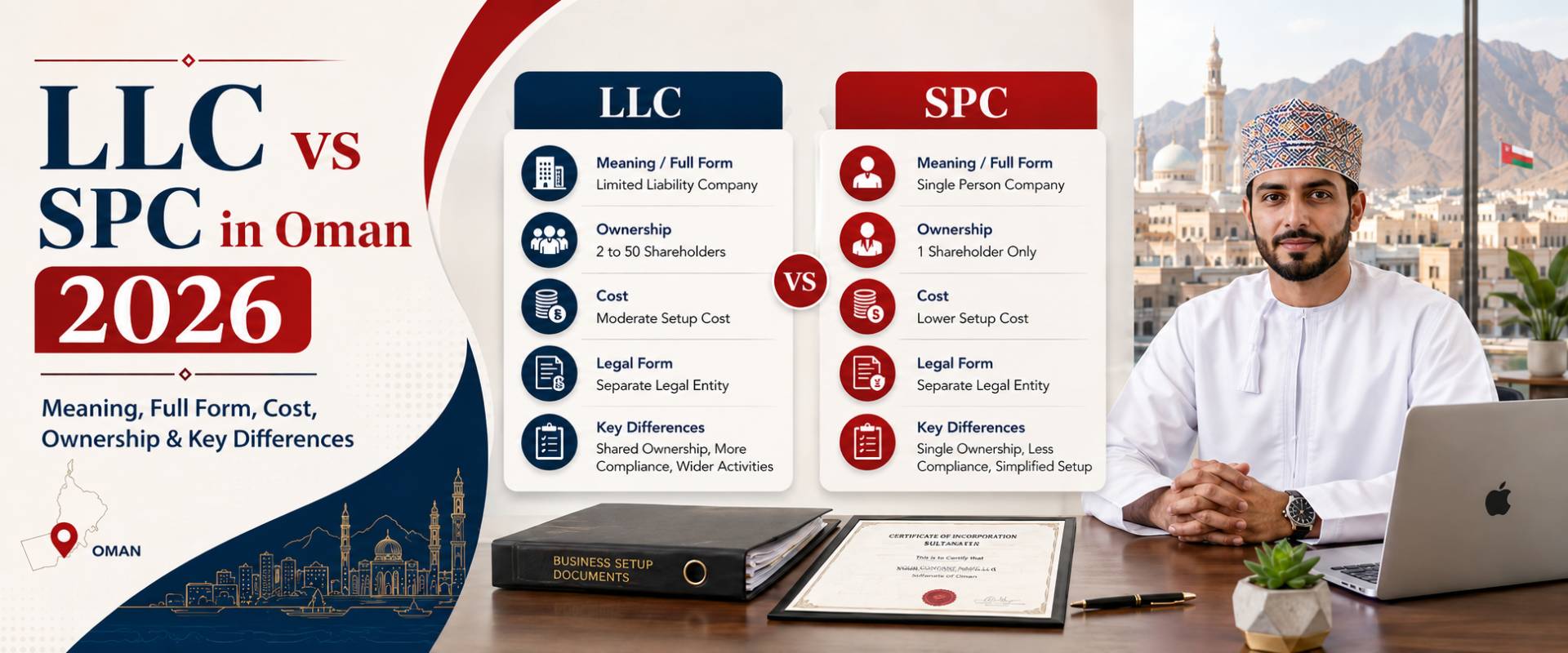
All businesses in Oman must be registered through the relevant company registration process. For solar companies, an LLC is commonly used because it gives limited liability protection and is more suitable for contracts, staff, equipment supply, and technical work.
Common structures include:
- LLC company
- Single Person Company, if suitable for one owner and approved activity
- Branch office of a foreign solar company
- Trading company for solar equipment supply
For most investors, LLC company registration in Oman is the practical option.
Commercial Registration
Your Commercial Registration should include the correct solar-related business activity. The activity selection is important because the company should only operate in approved activities.
For CR details, read our Commercial Registration in Oman guide.
Authority and Technical Approvals
For solar projects connected to electricity networks, technical approvals and compliance may be required. The Authority for Public Services Regulation is the regulator for public services including electricity in Oman.
Solar installation companies should check requirements related to:
- Grid-connected solar systems
- Distribution network connection
- Electrical safety
- Rooftop installation standards
- Project documentation
- Approved technical staff
- System testing and commissioning
- Municipality and Civil Defence requirements where applicable
Do not assume every solar system has the same approval process. On-grid, off-grid, hybrid, residential, commercial, and industrial systems can have different technical and approval needs.
Technical Certifications
Solar installation companies need skilled technicians and electrical professionals. Training may include:
- Photovoltaic system design
- Electrical wiring and connection
- Inverter installation
- Rooftop safety
- Battery and hybrid system handling
- Testing and commissioning
- Manufacturer training
- International solar standards awareness
Qualified technical staff help reduce installation errors, safety risks, and customer complaints.
Municipal and Safety Approvals
Depending on location and project type, you may need:
- Municipality licence
- Office or warehouse approval
- Civil Defence clearance
- Rooftop structural checks
- Commercial site approval
- Electrical safety review
- Project-specific permits
For commercial and industrial projects, safety documentation is especially important.
Insurance Requirements
Solar installation has technical and site risks. Insurance may include:
- General liability insurance
- Workers’ compensation insurance
- Professional liability insurance
- Vehicle insurance
- Property insurance for office and warehouse
- Equipment and inventory insurance
Insurance helps protect the company from project accidents, installation issues, staff injuries, and property damage.
Steps to Launch Solar Installation Business in Oman
Step 1: Develop a Business Plan
Start with a clear business plan. Decide whether you will focus on residential, commercial, industrial, maintenance, or equipment supply.
Your business plan should cover:
- Target customers
- Service area, such as Muscat or all Oman
- Solar system types
- Installation process
- Supplier plan
- Technical team
- Pricing strategy
- Marketing plan
- Startup cost
- Monthly expenses
- Revenue forecast
Solar businesses can become profitable if they manage project costs, installation quality, after-sales service, and maintenance contracts properly.
Step 2: Choose Business Structure
Choose the right structure before registration. A solar panel installation company usually needs a stronger structure than a small freelance business because it may sign technical contracts, handle equipment warranties, hire staff, and work on customer properties.
Common choice: LLC
Suitable for: solar installation, supply, maintenance, commercial contracts, and hiring staff
If there is one owner, an SPC may be considered if the activity and approval route allow it. But for larger solar work, LLC is often more suitable.
Step 3: Register Your Business
Register your company with the correct activity. The process usually includes:
- Trade name reservation
- Legal structure selection
- Shareholder documents
- Commercial Registration application
- Activity selection
- Office address
- Licence requirements
- Payment of fees
- CR certificate issuance
Our business setup consultants in Oman can help check the activity before submission.
Step 4: Secure Office and Warehouse Space
A solar installation business may need both an office and storage space. The office is used for client meetings and administration. The warehouse stores panels, inverters, mounting systems, cables, and tools.
When selecting space, consider:
- Easy access for vehicles
- Safe storage for equipment
- Dry and secure warehouse conditions
- Enough space for inventory
- Proper business address
- Municipality approval
- Future expansion
Step 5: Check Authority and Project Approval Requirements
Before taking customer projects, confirm the approval requirements for the type of solar systems you will install.
Check requirements for:
- On-grid solar installation
- Off-grid solar installation
- Hybrid solar installation
- Residential rooftop solar
- Commercial rooftop solar
- Industrial solar projects
- Electrical safety and connection
- Civil Defence and municipality checks
This step is important because wrong installation or missing approval can create legal and safety problems.
Step 6: Build Supplier Relationships
A solar business depends heavily on reliable suppliers. You may need suppliers for:
- Solar panels
- Inverters
- Batteries
- Mounting structures
- Cables
- Connectors
- Protection devices
- Monitoring systems
- Testing equipment
Build relationships with suppliers in Oman, UAE, and international markets. Good supplier terms help you control project cost, delivery timeline, warranty support, and product quality.
Step 7: Build Your Technical Team
Your team may include:
- Solar installation technicians
- Electrical engineer
- Electricians
- Project manager
- Sales consultant
- Site surveyor
- Admin and document coordinator
- Maintenance technician
For small startups, begin with a core team and outsource specialist support when needed. As project volume increases, build in-house technical capacity.
Step 8: Create Service Packages
Service packages make selling easier.
Examples:
- Residential solar consultation package
- Commercial solar system design package
- On-grid solar installation package
- Off-grid solar installation package
- Hybrid solar with battery package
- Solar maintenance annual contract
- Solar panel cleaning and inspection package
- Solar testing and monitoring package
This helps target GSC search terms like solar panel service in Muscat, solar panel maintenance service in Muscat, and commercial solar solutions Oman.
Step 9: Develop Marketing Strategy
Solar customers need trust before buying. Your marketing should educate and show real proof.
Marketing channels include:
- Website SEO
- Google Business Profile
- LinkedIn for commercial clients
- Instagram and Facebook for residential clients
- Case studies
- Before-after project photos
- Energy saving calculators
- Free site assessment offers
- Partnerships with builders and consultants
- Networking with property developers
- Direct outreach to warehouses and factories
Service pages should target:
- Solar panel installation Oman
- Solar panel installation Muscat
- Commercial solar installation in Muscat
- Residential solar systems Oman
- Solar panel maintenance in Muscat
- Off-grid solar installation in Muscat
- Hybrid solar installation in Muscat
Step 10: Launch with Smaller Projects
Start with smaller residential or light commercial projects to build experience, testimonials, photos, safety process, and supplier confidence.
After building proof, move toward:
- Warehouses
- Offices
- Schools
- Clinics
- Industrial facilities
- Farms
- Commercial buildings
- Long-term maintenance contracts
Equipment and Inventory Requirements in Oman
Solar installation needs proper equipment, tools, and inventory. Poor equipment management can delay projects and reduce profit.
Installation Tools
Common tools include:
- Power drills
- Cable cutters
- Cable strippers
- Multimeters
- Electrical testing tools
- Safety harnesses
- Ladders and scaffolding
- Conduit tools
- Crimping tools
- Labelling tools
- Transportation vehicle
Initial equipment investment may vary depending on project size and whether you own or rent some tools.
Solar Equipment Inventory
Common inventory includes:
- Solar panels
- Inverters
- Batteries, if offering hybrid systems
- Mounting structures
- Cables
- Connectors
- Junction boxes
- Circuit breakers
- Monitoring devices
- Protection devices
- Cleaning tools
Some companies keep limited stock and order per project. Others keep fast-moving items in inventory to reduce project delays.
Inventory Strategy
For startups, avoid overstocking expensive products until demand is proven. Focus first on reliable suppliers, warranty terms, delivery time, and product quality.
Pricing and Revenue Model in Oman
A solar panel installation business can earn from several revenue streams.
Installation Revenue
Main revenue comes from designing, supplying, and installing solar systems.
Pricing depends on:
- System size
- Panel quality
- Inverter type
- Battery requirement
- Roof structure
- Labour cost
- Authority approval needs
- Cable length
- Monitoring system
- Maintenance package
- Warranty support
Consultation Revenue
You can charge for:
- Site assessment
- Energy audit
- Solar feasibility study
- ROI calculation
- System design
- Commercial proposal
Some companies offer free assessment but charge for detailed engineering or commercial studies.
Maintenance Revenue
Maintenance can create recurring income.
Services include:
- Panel cleaning
- Inverter inspection
- Cable check
- Performance monitoring
- Fault detection
- Annual inspection
- System testing
- Warranty support
This is useful for ranking terms like solar panel maintenance service in Muscat and solar monitoring in Muscat.
Equipment Supply Revenue
Some companies sell panels, inverters, batteries, mounting systems, and accessories to other installers or contractors.
This model needs supplier relationships and inventory control.
Cost Breakdown for Solar Business in Oman
Startup cost depends on scale. A small consultation and maintenance-focused business costs less than a full installation company with warehouse, vehicles, inventory, and technical team.
| Cost Item | Practical Estimate |
| Company registration and licensing | Depends on structure and activity |
| Office and warehouse | Depends on location and size |
| Tools and installation equipment | OMR 5,000-15,000 |
| Initial inventory | OMR 10,000-30,000 |
| Vehicle | OMR 8,000-15,000 |
| Insurance | OMR 2,000-6,000 annually |
| Marketing and branding | OMR 2,000-5,000 |
| Staff and training | Depends on team size |
| Technical approvals and documentation | Depends on project type |
| Working capital | OMR 5,000-10,000+ |
Total Estimated Investment
Small maintenance / consultation model: OMR 10,000-25,000
Residential installation startup: OMR 25,000-60,000
Commercial solar installation company: OMR 60,000-120,000+
Industrial solar company: OMR 120,000+ depending on scope
These are planning estimates. Actual cost depends on office, staff, inventory, vehicles, insurance, authority requirements, and project scale.
Common Mistakes to Avoid
Avoid these mistakes when starting a solar panel installation business in Oman:
- Registering the wrong business activity
- Starting without technical staff
- Ignoring grid connection requirements
- Not checking APSR or authority compliance
- Buying too much inventory too early
- Using low-quality panels or inverters
- Not planning warranty support
- Underpricing commercial projects
- Ignoring safety and insurance
- Not offering maintenance contracts
- Marketing only to homeowners and ignoring businesses
- Not creating service pages for Muscat and Oman search intent
- Not keeping project documentation
- Not calculating roof safety and load properly
Conclusion
Starting a solar panel installation business in Oman can be a strong opportunity if you build it around proper licensing, technical capability, reliable suppliers, and clear service packages. The best angle is not only “renewable energy business” but specific services like commercial solar installation in Muscat, residential solar systems in Oman, on-grid solar installation, off-grid solar installation, hybrid solar systems, solar maintenance, and solar testing.
The business setup process should begin with correct activity selection and company registration. For most investors, an LLC is practical because solar installation involves equipment supply, technical liability, staff, contracts, and commercial projects. After registration, the company should confirm authority requirements, municipality approvals, safety checks, insurance, and project-level compliance.
A solar company can start with residential projects and maintenance services, then move into commercial and industrial installations as experience and credibility grow. Long-term success depends on installation quality, honest energy-saving estimates, proper documentation, good after-sales service, and strong supplier relationships.
Oman Business Setup helps entrepreneurs and investors with company registration, LLC setup, Commercial Registration, activity selection, investor visa planning, and compliance for solar and renewable energy businesses.
To start your solar panel installation company legally, contact our company registration in Oman team or speak with our business setup consultants in Oman.
Legal Disclaimer
This guide is for general information only. Solar business licensing, grid connection rules, authority approvals, safety requirements, municipal requirements, investment costs, and commercial activity rules may change. Always verify current requirements through official authorities, APSR, MOCIIP, municipality, Civil Defence, and qualified business setup consultants before investing or starting operations.
About the Author
Shuja Ahmad is part of the Oman Business Setup consultant team and writes about company registration, LLC setup, renewable energy business setup, Commercial Registration, investor visas, and sector-specific licensing in Oman. His content focuses on practical setup steps, activity selection, authority requirements, and common reasons business registration applications get delayed.
Frequently Asked Questions
Is solar panel installation a good business in Oman?
Yes, solar panel installation can be a good business in Oman because of strong sunlight, renewable energy targets, commercial energy demand, and growing interest in sustainability. Success depends on licensing, technical quality, supplier relationships, and customer trust.
How do I start a solar panel installation business in Oman?
You need to register the company, choose the right business activity, secure office or warehouse space, build a technical team, check authority requirements, arrange suppliers, obtain insurance, and create service packages for residential, commercial, and industrial customers.
Which company structure is best for a solar business in Oman?
An LLC is usually practical for a solar installation business because it supports commercial contracts, staff hiring, supplier relationships, equipment supply, and liability protection. One-owner structures may work for smaller or consultancy-focused models if the activity is approved.
How much does it cost to start a solar installation company in Oman?
A small consultation or maintenance model may start around OMR 10,000 to 25,000. A residential installation startup may need OMR 25,000 to 60,000. A commercial solar installation company may need OMR 60,000 to 120,000 or more, depending on scale.
What services can a solar company offer in Oman?
A solar company can offer residential solar installation, commercial solar installation, industrial solar solutions, on-grid solar systems, off-grid solar systems, hybrid solar systems, solar maintenance, cleaning, monitoring, testing, and equipment supply.
Do solar installation companies need technical approvals in Oman?
Grid-connected and commercial solar projects may need technical approvals, safety checks, and compliance with electricity and authority requirements. The exact approval route depends on project type, system size, location, and connection requirements.
Can foreigners start a solar business in Oman?
Foreign investors may be able to start a solar business in Oman subject to activity approval, ownership rules, company structure, documents, and visa requirements. Always verify the selected activity before registration.
Is Muscat a good market for solar panel installation?
Yes, Muscat can be a strong market for residential, commercial, and maintenance-focused solar services because of villas, offices, warehouses, schools, and commercial properties looking at energy-saving solutions.